Comfort food: it’s not just about taste—it’s about emotion. It brings memories, healing, and a sense of security when we need it most. What’s remarkable is that no matter where you go in the world, each culture has its own version of a dish that warms the heart as much as the stomach.
In this guide, we explore 10 of the most iconic comfort foods from around the world. Each one tells a story—not just of flavor, but of tradition, family, and home.
1. United States – Macaroni and Cheese
A creamy blend of pasta and cheese, mac and cheese is a beloved staple across America. Brought over by European immigrants and popularized by Thomas Jefferson, this dish has evolved from boxed quick-fixes to gourmet versions with artisan cheeses and breadcrumbs.
Comfort factor: It’s rich, nostalgic, and universally satisfying—perfect after a long day or as a holiday side.
2. Japan – Ramen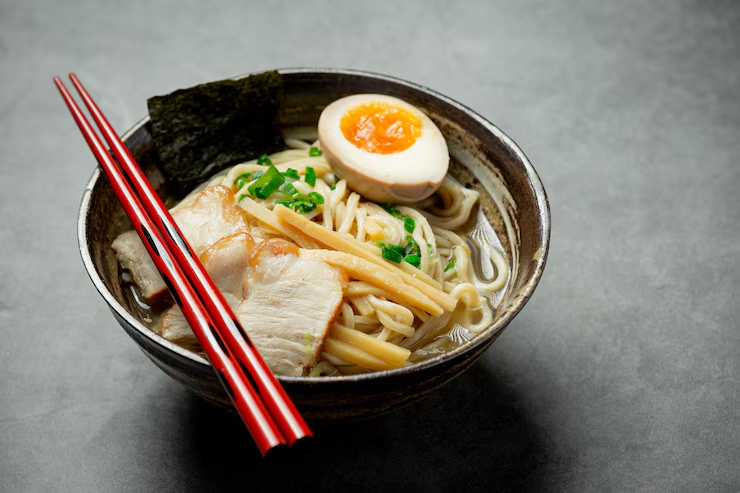
More than just noodles in broth, ramen in Japan is a cultural phenomenon. Whether it’s the deep, milky tonkotsu from Fukuoka or the soy-based shoyu from Tokyo, ramen is the ultimate comfort food—especially during cold seasons or late nights.
Why it soothes: The broth is warm and umami-rich, the noodles are chewy, and the toppings—egg, pork, scallions—make every bite feel like a warm hug.
3. India – Khichdi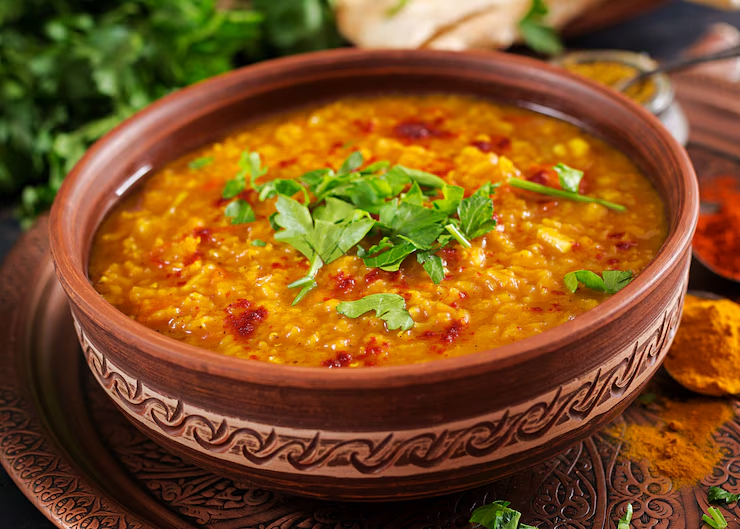
Considered one of India’s oldest and simplest dishes, khichdi is made of rice and lentils, often with mild spices and a dollop of ghee. It’s commonly given to the sick, children, or anyone in need of a digestive reset.
Regional notes: Some add vegetables, cumin, or yogurt depending on the region—from Gujarat to Bengal.
4. Italy – Risotto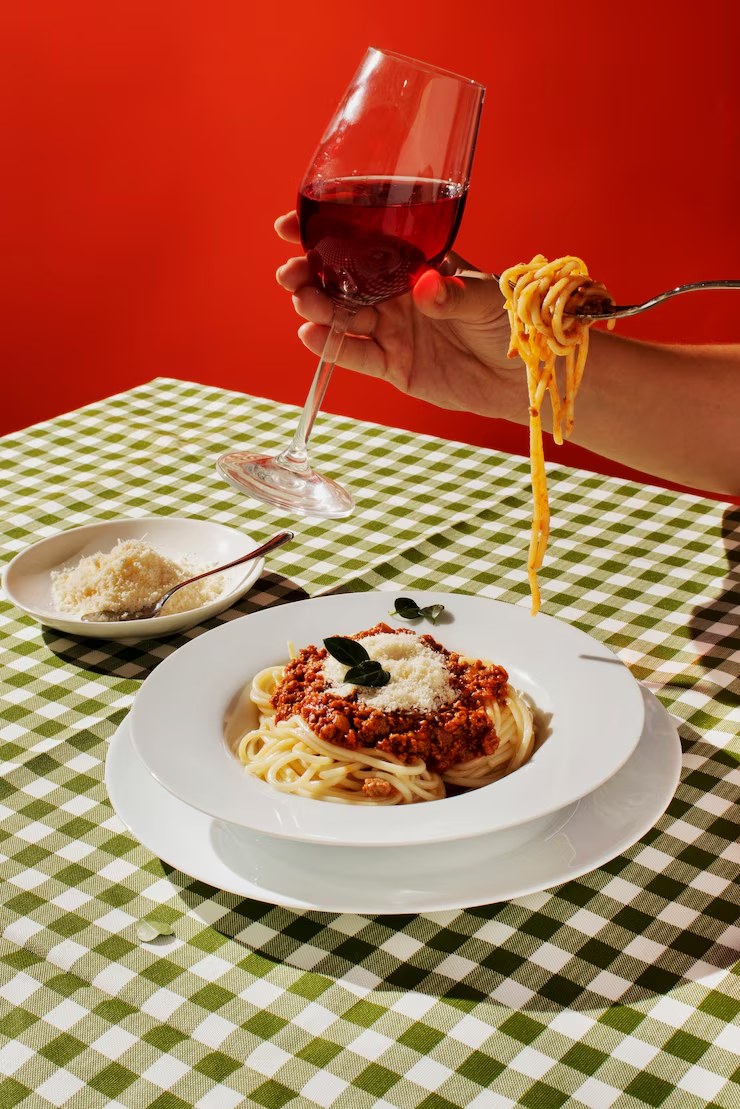
In Italy, risotto isn’t just food—it’s a meditation. Arborio rice slowly absorbs broth until it becomes silky and creamy. Whether enriched with mushrooms, saffron, or seafood, it represents a quiet luxury rooted in simplicity.
Comfort element: The act of stirring itself is calming, and the final dish is rich and deeply flavorful.
5. South Korea – Kimchi Jjigae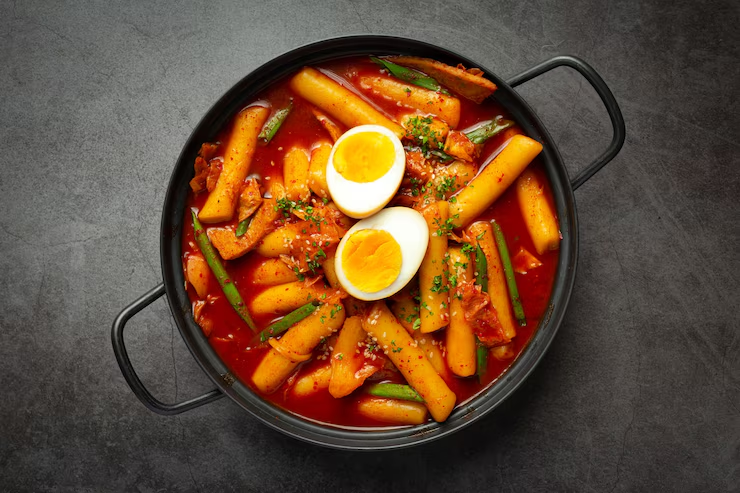
Kimchi jjigae is a bold stew made with aged kimchi, pork, tofu, and chili paste. It’s spicy, tangy, and comforting—especially on a rainy day. In Korean households, it’s often a default dish when there’s leftover kimchi that’s too sour to eat raw.
Best enjoyed with: Steamed rice and a fried egg—home-cooked heaven.
6. France – Pot-au-Feu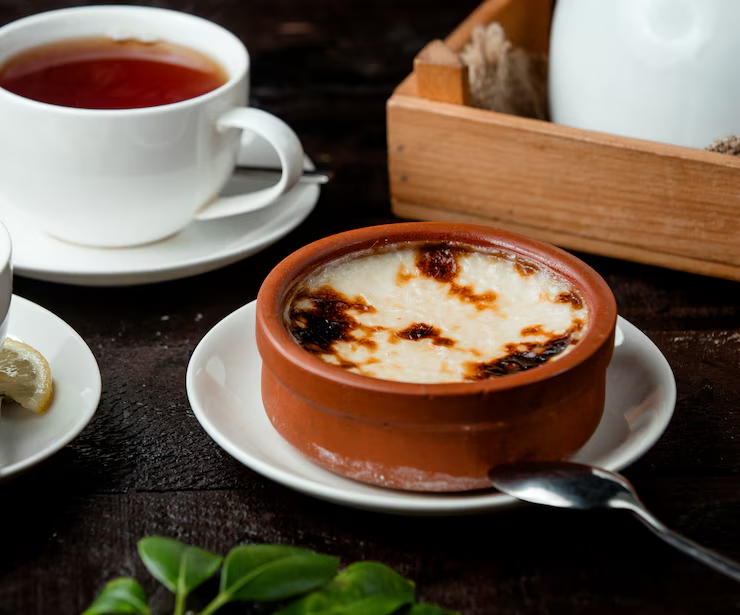
France’s pot-au-feu (literally “pot on the fire”) is a slow-simmered stew of beef, carrots, leeks, and turnips. It’s a peasant dish that has earned its place as a national treasure.
Why it comforts: It’s hearty, wholesome, and made to be shared—a dish best enjoyed with loved ones around the table.
7. Mexico – Pozole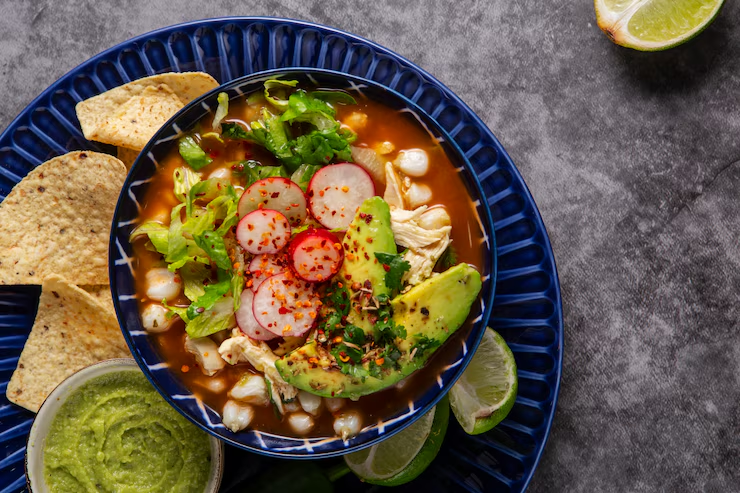
This traditional Mexican soup, pozole, is made with hominy corn, meat (usually pork), and seasoned with chili and garlic. It’s garnished with fresh ingredients like cabbage, radishes, lime, and avocado.
Cultural roots: Pozole is deeply tied to celebrations and rituals but is just as beloved as a daily comfort.
8. Nigeria – Jollof Rice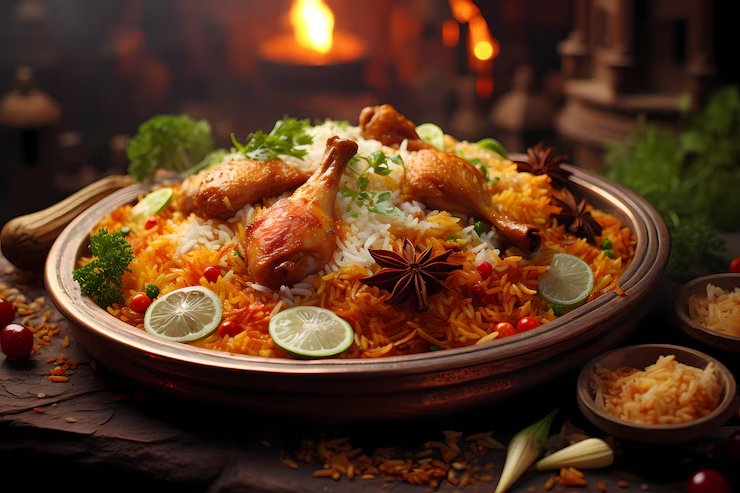
Spicy, smoky, and bursting with flavor, jollof rice is West Africa’s pride. Cooked in a tomato-based sauce with onions and spices, it’s often served with chicken, fried plantains, or salad.
Fun fact: A friendly culinary rivalry exists between Nigeria and Ghana over whose version reigns supreme. Either way, it’s irresistible.
9. Thailand – Khao Tom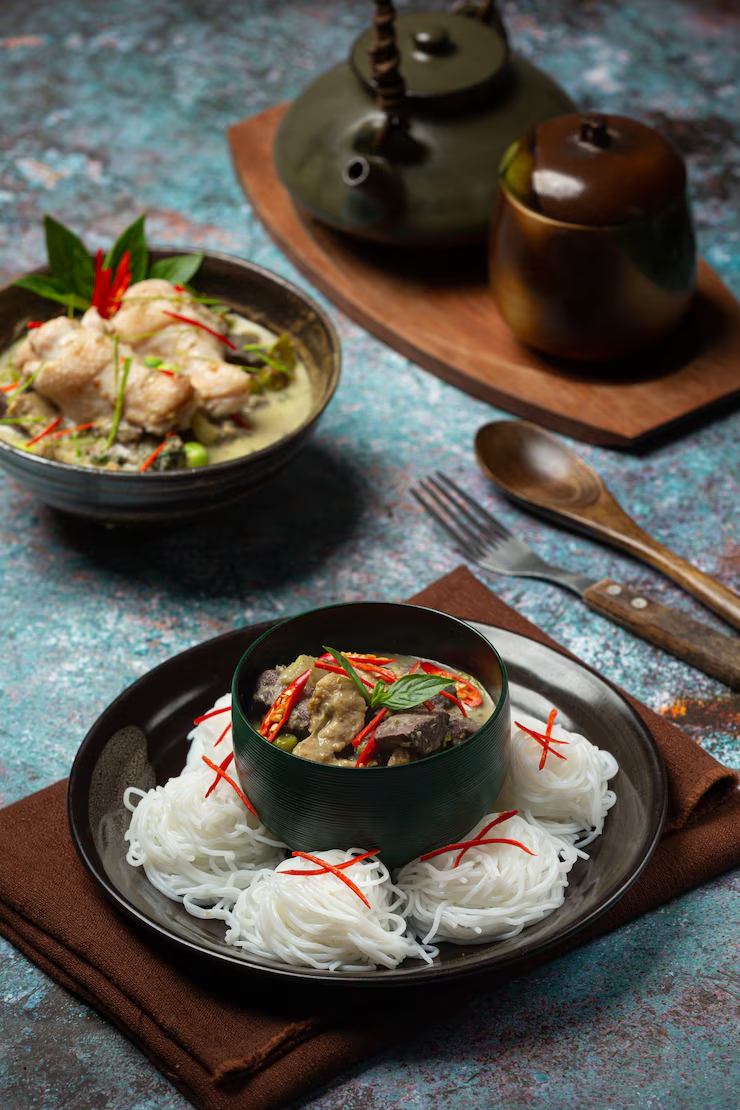
A soothing rice soup, khao tom is Thailand’s answer to chicken noodle soup. It’s typically made with soft rice, garlic, ginger, and a protein like minced pork or shrimp.
Perfect for: Breakfast, post-party recovery, or anytime your body needs something gentle but flavorful.
10. Poland – Pierogi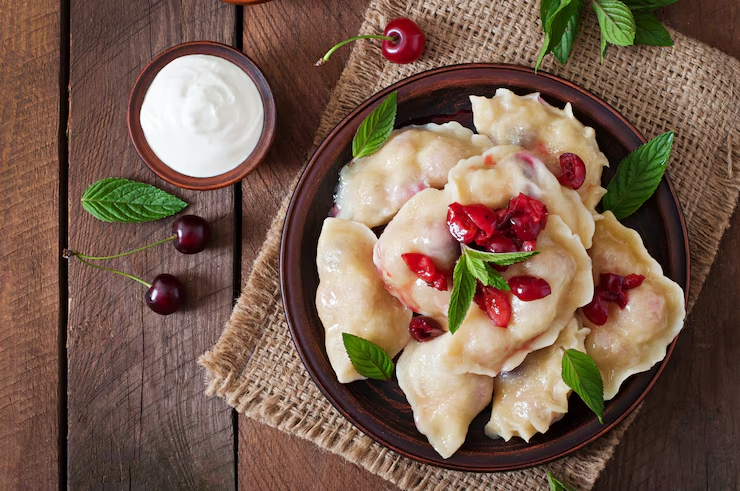
These Eastern European dumplings, pierogi, are filled with everything from mashed potatoes and cheese to mushrooms or even sweet fruits. They’re boiled or pan-fried, often served with sour cream or onions.
Why they matter: Making pierogi is often a family activity during holidays—a culinary tradition that spans generations.
Comfort Food: A Universal Language
While ingredients and cooking styles may vary, the essence of comfort food remains consistent across cultures. These dishes share a few key qualities:
-
They’re often simple and made from accessible, everyday ingredients.
-
They connect us to family, tradition, and memory.
-
They’re healing—whether that means physical nourishment or emotional relief.
At its heart, comfort food is about feeling safe, grounded, and loved—whether you’re thousands of miles from home or sitting in your childhood kitchen.
Create Your Own Global Comfort Experience
You don’t need to travel the world to enjoy its most soothing dishes. Why not build a week-long comfort food menu at home?
-
Monday: Start slow with a bowl of Indian khichdi.
-
Tuesday: Treat yourself to creamy Italian risotto.
-
Wednesday: Spice things up with Nigerian jollof rice.
-
Thursday: Simmer a big pot of French pot-au-feu.
-
Friday: Celebrate the weekend with Mexican pozole.
-
Saturday: Try making pierogi with family or friends.
-
Sunday: End your week with a steamy bowl of Japanese ramen.
Food can be your passport—each dish a destination, each bite a reminder that comfort knows no borders.
Final Thoughts
In every culture, comfort food serves the same sacred purpose: to make us feel better. Whether you’re feeling nostalgic, under the weather, or simply craving something warm and familiar, the global kitchen has your back.
So, the next time you’re searching for that perfect dish to lift your spirits, don’t just ask what you want to eat—ask where you want to go.